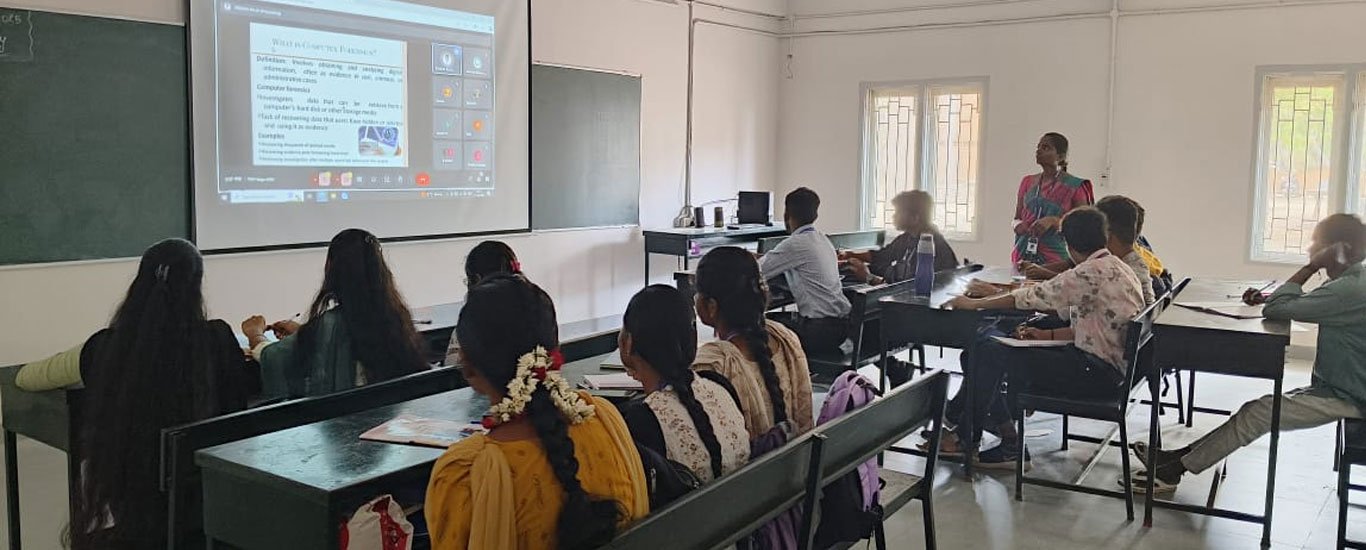
Academic Overview

Cheran College of Technology adopts a progressive academic framework that integrates theoretical knowledge with practical application, ensuring students are well-prepared to meet the demands of the modern engineering landscape.

The institution emphasizes a student-centric approach, supported by qualified faculty, advanced infrastructure, and industry-aligned curriculum to develop both technical competence and professional skills.

Teaching Methodology

The teaching methodology is designed to enhance conceptual understanding and practical exposure through innovative and interactive learning techniques.
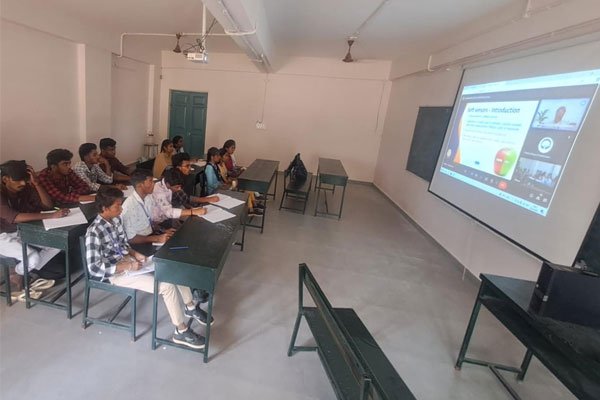
  • Lecture-based and interactive classroom sessions
  • Smart classroom and digital learning tools
  • Case studies and real-time problem-solving
  • Project-based and experiential learning
  • Laboratory-oriented practical sessions
  • Continuous internal assessments and feedback
Industry Learning

Industry-Oriented Learning


The institution integrates industry-oriented learning to bridge the gap between academia and industry.

  • Industry expert lectures and guest sessions
  • Industrial visits and internships
  • MoUs with industries and organizations
  • Skill development and certification programs
  • Exposure to latest technologies and tools
  • Hands-on training aligned with Industry 4.0

Outcome Based Education (OBE)

The institution follows the Outcome Based Education (OBE) model focusing on measurable learning outcomes and student performance.
OBE Framework

  • Program Educational Objectives (PEOs)
  • Program Outcomes (POs)
  • Program Specific Outcomes (PSOs)
  • Course Outcomes (COs)

Learning Outcomes

  • Strong technical and domain knowledge
  • Analytical and problem-solving skills
  • Ability to design engineering solutions
  • Effective communication and teamwork
  • Ethical and professional responsibility
  • Lifelong learning and adaptability

Academic System

Semester System

The college follows a semester-based academic system as per Anna University regulations, ensuring structured learning, continuous assessment, and flexibility.

Evaluation Process

  • Internal Assessments (Tests, Assignments, Seminars)
  • Practical Examinations and Lab Performance
  • Project Work and Viva Voce
  • End Semester University Examinations